UN analysis cites public-service skills gaps and ministry coordination problems
A UN analysis says 18% of Sint Maarten’s roughly 2,000 public servants have advanced tertiary qualifications.

The United Nations’ 2026 Common Country Analysis says Sint Maarten’s public service faces skills shortages and weak coordination between ministries. The analysis says about 2,000 public servants, representing 4.7% of the labour force, work in government, and 18% have advanced tertiary qualifications.
According to the UN, capacity constraints are particularly evident in the Ministries of Finance, Public Housing and Justice. It identifies limited technical expertise, staff turnover, reliance on external consultants and weak inter-ministerial coordination as obstacles to policy implementation and public-service delivery.
The analysis also identifies shortages in data analysis, procurement and project management. It says few ministries publish annual reports or performance data, limiting public and policymaker assessment of whether programmes meet their objectives.
About 30% of public services are available online, the UN says. The analysis identifies fragmented databases, legacy software and cybersecurity weaknesses as barriers, while noting the Digital Government Strategy 2024-2028 is intended to introduce interoperable systems, digital identification and secure online tax filing.
The UN calls for stronger performance management, better data systems, digital government, improved public financial management and greater coordination across institutions. It also notes early progress on an Integrated Financial Management Information System, electronic payroll audits and merit-based recruitment pilots in some ministries.
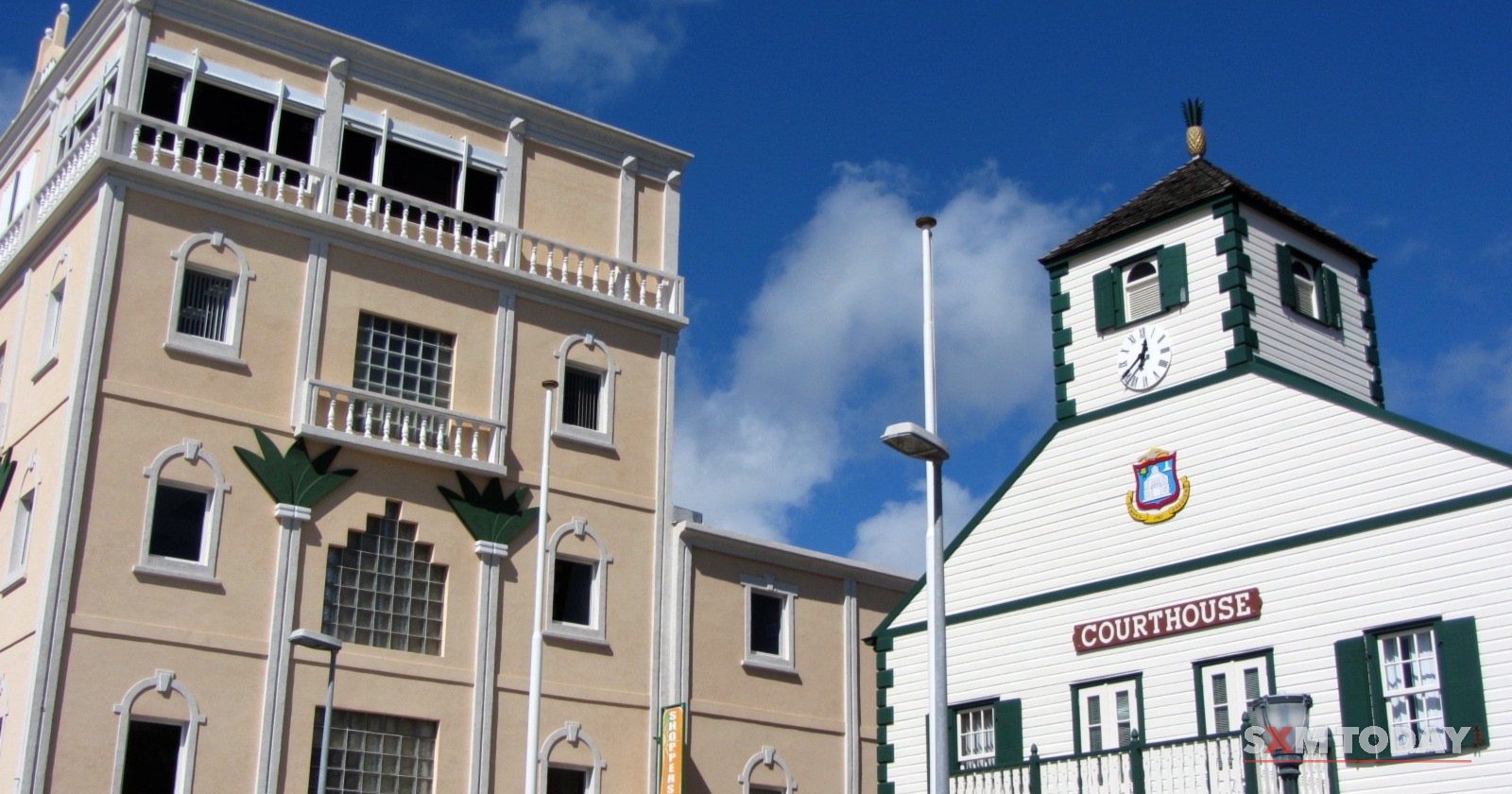
File photo: Richie Diesterheft / Wikimedia Commons · CC BY-SA 2.0 · cropped, SXM Today mark added